Petronas Twin Towers, Kuala Lumpur
Standing tall in the heart of Kuala Lumpur, the Petronas Twin Towers once held the title of the world’s tallest buildings and remain Malaysia’s most iconic skyscrapers. Their brilliant glass-and-steel façades glisten in the sunlight, defining the city’s skyline and serving as a symbol of Malaysia’s blend of modernity and tradition. The towers are linked by a skybridge on the 41st and 42nd floors, offering visitors a unique walkway suspended more than 170 meters above the ground. The observation deck on the 86th floor provides panoramic vistas of the urban sprawl below, especially spectacular at sunset or by night when the city is bathed in a sea of lights. In the lower levels, Suria KLCC mall features luxury shopping, dining, and cultural attractions, while the adjacent KLCC Park offers a green oasis with fountains and walking paths—a perfect spot to admire the towers during the musical fountain show in the evenings.
Batu Caves, Selangor
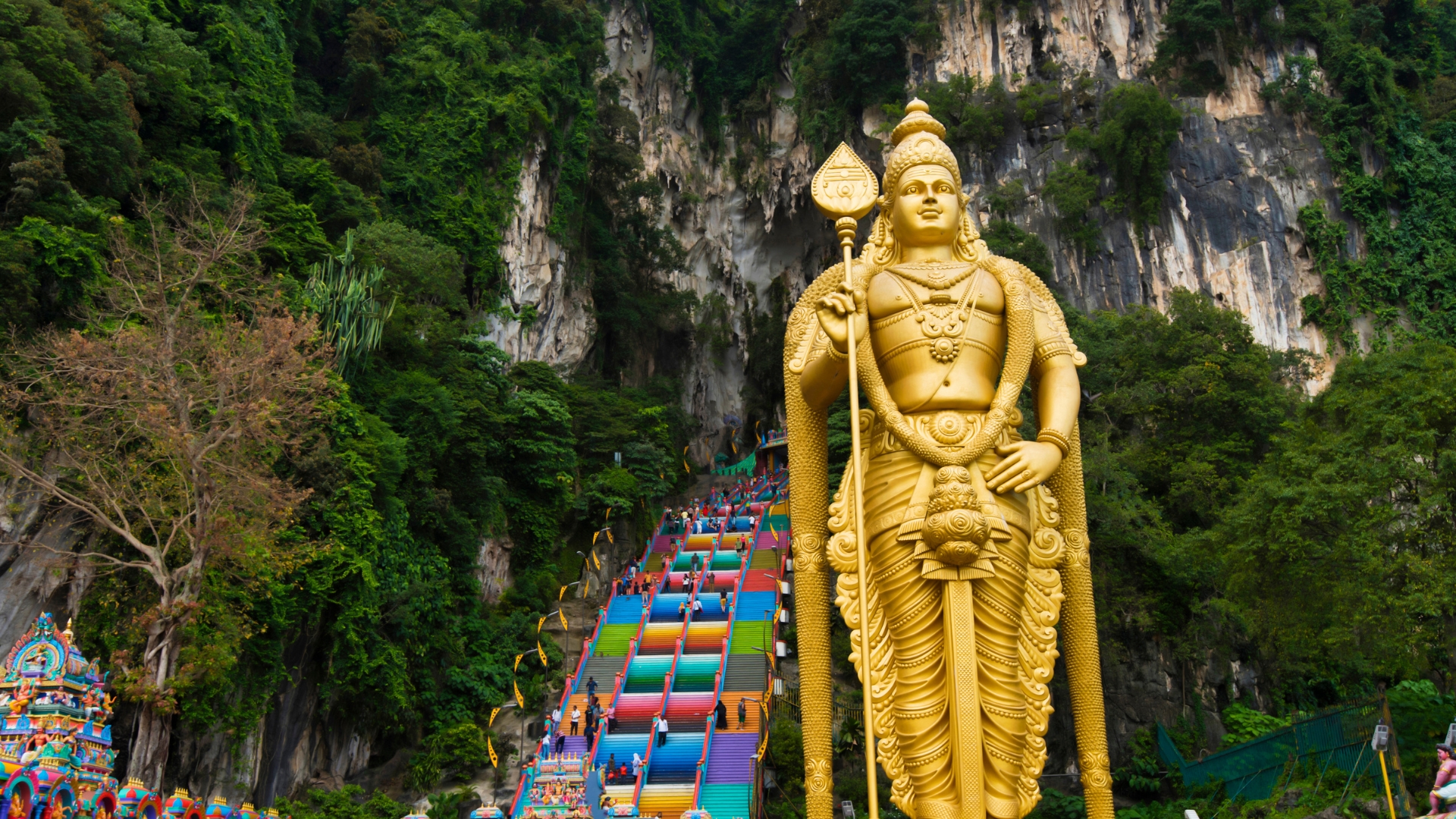
Just outside Kuala Lumpur, Batu Caves is a geological wonder and a major center of Hindu worship in Malaysia. The caves, formed in limestone cliffs over the course of 400 million years, have become renowned for the towering golden statue of Lord Murugan, which stands majestically at the foot of the stairs. Visitors climb the 272 colorful steps to reach the main cave, Cathedral Cave, home to Hindu shrines, temples, and a cavernous dome. Batu Caves is particularly vibrant during the annual Thaipusam festival, when devotees from across Malaysia and beyond gather in a spectacular display of faith and tradition. The surrounding area also has other smaller caves and a Dark Cave, offering educational tours on its ecology and history.
Langkawi Island, Kedah
Langkawi, the Jewel of Kedah, is an archipelago of 99 islands off Malaysia’s northwest coast, celebrated for its white sandy beaches, azure waters, and lush rainforests. Popular beaches like Pantai Cenang entice sunseekers, while the island’s interior boasts waterfalls and rice paddies. The world-renowned Langkawi Sky Bridge—a curved suspended bridge high above the Mat Cincang mountains—offers breathtaking views and thrilling photographs. Adjacent, the cable car ride journeys past lush green hills to the top of Gunung Mat Cincang, affording 360-degree panoramas. Duty-free shopping in Kuah Town makes Langkawi a favorite for souvenirs and luxury goods, while mangrove tours and island hopping are popular for those seeking adventure.
Penang
Often dubbed the “Pearl of the Orient,” Penang is famed for its blend of history, culture, and cuisine. The capital, George Town, is a UNESCO World Heritage Site recognized for its eclectic architecture: colonial mansions, centuries-old temples, mosques, and Chinese clan houses line its charming streets. The city’s street art, created by international and local artists, invites visitors on a vibrant walking tour through narrow laneways. Don’t miss the elaborate temples such as Kek Lok Si and the bustling waterfront of the Clan Jetties. Penang’s multicultural heritage is perhaps most delightfully expressed in its street food—hawker stalls in places like Gurney Drive and Lorong Baru offer an array of flavors, from Penang laksa and char kuey teow to cendol desserts and nasi kandar. The island’s hills and tropical gardens provide scenic relief from the busy Old Town.
Taman Negara
Taman Negara, meaning “National Park” in Malay, encompasses one of the world’s oldest tropical rainforests—over 130 million years old. Spread across the states of Pahang, Kelantan, and Terengganu, Taman Negara is a haven for biodiversity enthusiasts, adventurers, and anyone drawn to the wonders of the wild. Visitors can experience jungle trekking, with trails ranging from easy walks to challenging multi-day hikes, or test their nerves on one of the world’s longest canopy walkways suspended above the forest floor. River cruises along the Tembeling River grant glimpses of wildlife such as macaques, hornbills, and, with luck, the elusive Malayan tiger. Guided night walks reveal nocturnal creatures, while cultural tours to Orang Asli villages expose travelers to Malaysia’s aboriginal traditions and crafts.
Mount Kinabalu, Sabah (Borneo)
Rising to 4,095 meters, Mount Kinabalu is the highest peak Malaysia and a UNESCO World Heritage Site, renowned for its outstanding biodiversity and challenging trekking opportunities. Situated within Kinabalu Park, the mountain is home to an array of unique plant species—such as the rare rafflesia flower, giant pitcher plants, and a stunning collection of orchids. Every year, thousands attempt the hike to Low’s Peak, following a well-maintained but demanding trail that typically takes two days to complete. The reward is an awe-inspiring sunrise above the clouds. Kinabalu Park’s lower altitudes are accessible to all, with trails through mossy forests, botanical gardens, and hot springs, revealing Sabah’s rich natural treasures even to non-climbers.
Perhentian Islands, Terengganu
Located off the northeast coast of Peninsular Malaysia, the Perhentian Islands—Perhentian Besar and Perhentian Kecil—are famed tropical retreats. Their powdery beaches, coconut palms, and crystalline waters attract backpackers and families alike. The coral reefs offshore offer exceptional snorkeling with sea turtles, clownfish, and rays, while vibrant dive centers cater to both beginners and pros seeking encounters with reef sharks and other marine life. Onshore, life is relaxed: days are spent sunbathing, kayaking, or lazing in a hammock, while evenings bring seafood barbecues under the stars. With no roads or cars, a tranquil paradise prevails.
Malacca (Melaka)
A city steeped in history, Malacca (also spelled Melaka) played a pivotal role as a trading port linking East and West. Today, as a UNESCO World Heritage Site, Malacca preserves a rich legacy of colonial architecture—Dutch, Portuguese, and British influences can be seen throughout the cityscape. The red-painted buildings of Stadthuys and Christ Church, the ruins of A Famosa, and the serene Cheng Hoon Teng Temple transport visitors to bygone eras. Jonker Street, the cultural heart of old Malacca, bursts into life during the night market with local delicacies, antiques, and music. Museum lovers will find diverse offerings, from the Baba & Nyonya Heritage Museum to the Maritime Museum aboard a replica Portuguese galleon.
Cameron Highlands, Pahang
Set high in the mountains of Pahang, Cameron Highlands is Malaysia’s most famous hill station, known for its cool climate, rolling tea plantations, strawberry farms, and colonial-era charm. Visitors can tour famous tea estates such as BOH or Bharat for educational walks through neatly manicured fields followed by tea tastings with scenic views. Strawberry plucking, honey bee farms, and visits to local markets add a bucolic flavor to any stay. Nature lovers will enjoy scenic hikes through mossy forests and the exploration of trails leading to waterfalls and colonial-style guesthouses—the Highlands feel like stepping into another era.
Borneo’s Wildlife (Sabah & Sarawak)
The Malaysian states of Sabah and Sarawak on Borneo Island are a paradise for wildlife enthusiasts. lush rainforests, riverine habitats, and protected reserves are home to fascinating creatures: the orangutans of Sepilok Rehabilitation Centre, the endearing proboscis monkeys, rare pygmy elephants, and the world’s smallest bear, the sun bear. Bako National Park in Sarawak boasts incredible biodiversity, including unique pitcher plants and bearded pigs, while Gunung Mulu National Park, another UNESCO site, is famed for its dramatic limestone pinnacles, vast cave systems, and bat exoduses at sunset. River journeys along the Kinabatangan offer unparalleled opportunities to spot wild animals and over 200 bird species amid ancient jungle.
Putrajaya
As Malaysia’s modern administrative capital, Putrajaya is a showcase of futuristic planning, architecture, and landscaped beauty. Wide boulevards, impressive government complexes, and striking structures like the Putra Mosque—with its pink dome—and the metallic Tuanku Mizan Zainal Abidin Mosque line the lakefront. Visitors can enjoy a stroll or bicycle ride along the lakeside, admire the city’s many bridges (notably the Seri Wawasan and Seri Saujana), or take a cruise on the lake for unique perspectives of this meticulously planned urban center. Parks, gardens, and water features abound, making it a peaceful getaway from Kuala Lumpur’s bustle.
Street Food
No visit to Malaysia is complete without indulging in its legendary street food, found at night markets (pasar malam), hawker centers, and roadside stalls throughout the country. Each region serves up its specialties, but must-tries include satay (grilled skewered meats), nasi lemak (aromatic coconut rice with spicy sambal, peanuts, and more), and laksa (spicy noodle soup with regional variations). Char kuey teow—stir-fried rice noodles—and roti canai, a flaky flatbread usually served with curry, are favorites among locals and travelers alike. Street food embodies Malaysia’s multicultural heritage, blending Malay, Chinese, and Indian influences into every delicious bite. Sipping a glass of teh tarik, the frothy “pulled” tea, rounds out the experience.
Cultural Festivals
Time your visit with one of Malaysia’s vibrant cultural festivals for an unforgettable experience. Chinese New Year sees lion dances and fireworks in every major city