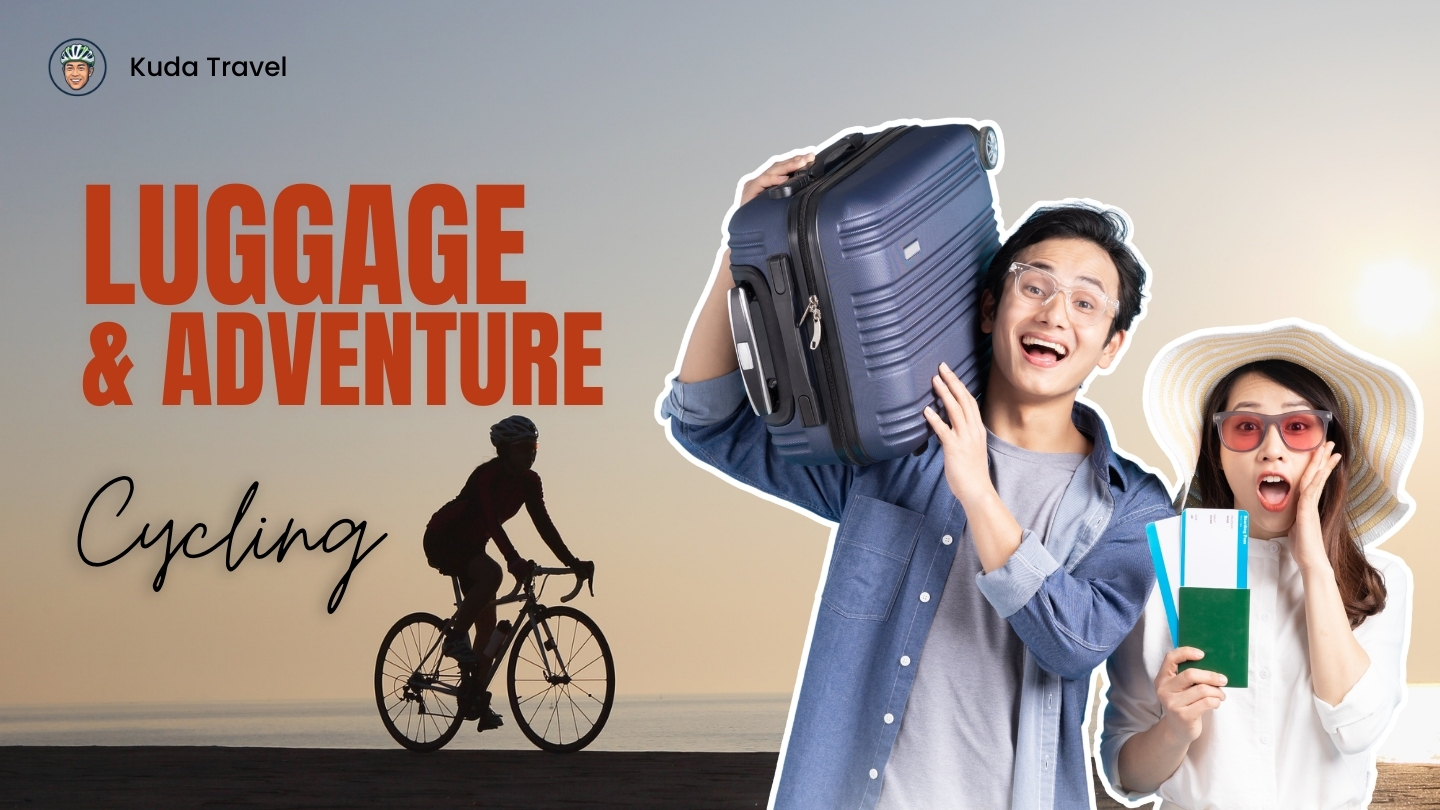
Preparing the lugguage for the bike tour is an exercise in “less is more.” Even with a support van at your disposal, the logistics of moving your gear between hotels, buses, and the van itself can become a headache if you overpack.
The goal is to create a seamless system where your valuables stay on your person, your daily essentials stay on the bike, and your main gear stays as mobile as possible.
1. The Three-Bag Strategy: Organizing for Efficiency
To make your tour stress-free, divide your belongings into three distinct categories. This ensures that even if you are separated from the support van or transferring onto a public bus, you have exactly what you need.
The “Personal Value” Bag (Handlebar Bag or Small Hip Pack)
This is your most important piece of luggage. It never stays on the bike when you walk away, and it never goes in the support van.
- Contents: Passport, wallet, phone, power bank, and any vital medications.
- Why: If you need to jump on a bus or stop for a coffee, you simply unclip this bag and take it with you. It is your “life support” kit.
The “On-Bike” Access Bag (Small Pannier or Frame Bag)
This bag stays on your bike during the day but contains items you might need while riding.
- Contents: Rain jacket, spare sunblock, a few snacks, a basic multi-tool, and an extra tube.
- Pro Tip: Even with a support van, you might be 5 miles ahead of or behind the vehicle. Having your own rain shell and one snack ensures you aren’t shivering or “bonking” while waiting for the van to catch up.
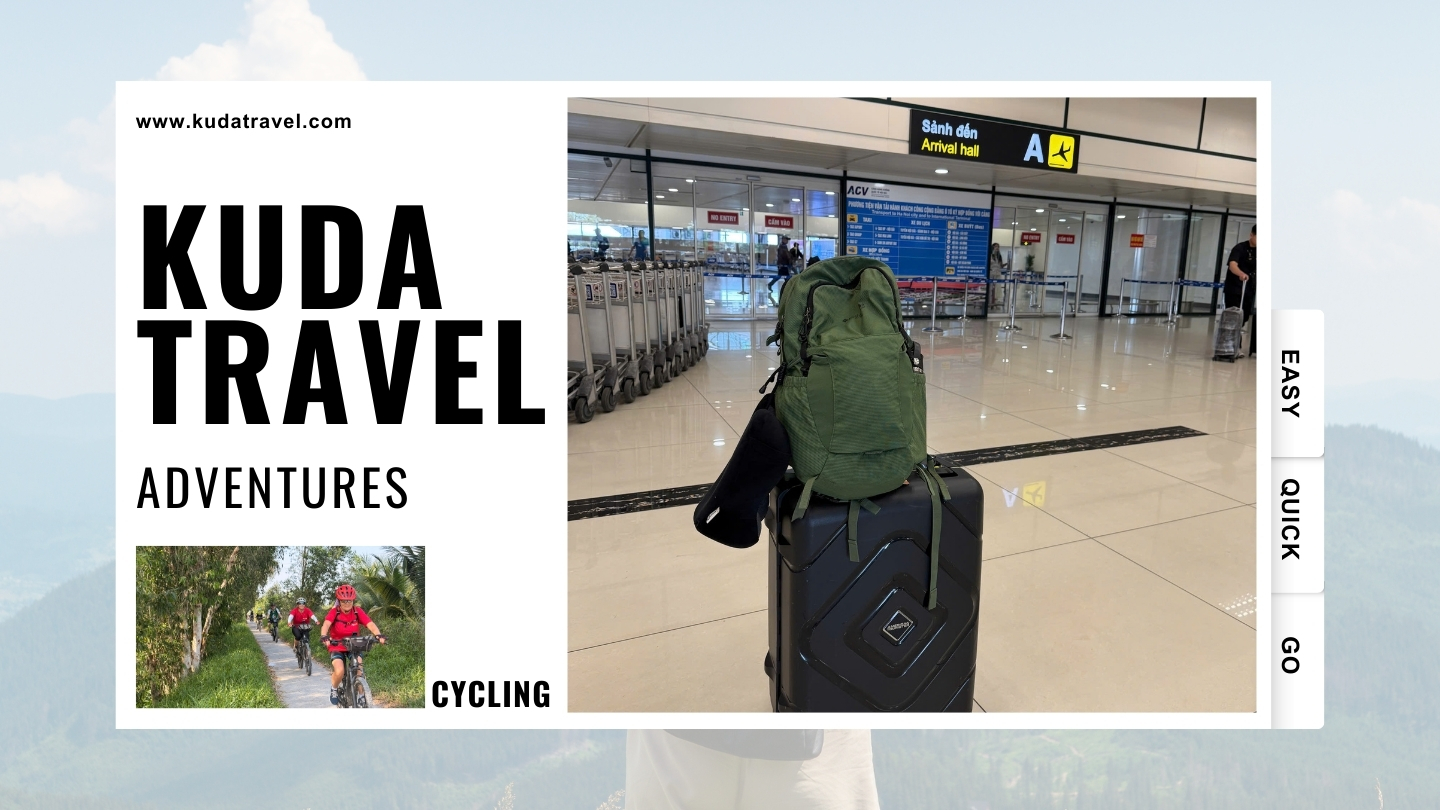
The “Main Luggage” (Soft-Sided Duffel or Medium Suitcase)
This is the bag that the support van carries.
- Weight Limit: Aim for under 15kg (33 lbs).
- Type: Use a soft-sided duffel rather than a hard-shell suitcase. Soft bags are much easier for van drivers to stack and fit into tight spaces. They also weigh less, making it easier for you to carry them up the narrow stairs often found in European or Asian guesthouses.
2. Transfers: Mastering Buses and Self-Transport
Transitions are the most chaotic part of a tour. Whether you are taking a shuttle to the start line or moving your gear to a train station, “mobility” is your best friend.
Traveling with the Bike
If you are moving the bike yourself on a bus or train:
- Remove everything: Take off all panniers and lights. A “naked” bike is lighter and less likely to have accessories snapped off in a luggage compartment.
- Pedals and Handlebars: For long bus transfers, carry a small pedal wrench. Removing pedals and turning the handlebars sideways makes the bike “flat,” allowing it to slide into bus holds without damaging other people’s bags.
Managing Your Luggage
- The “One Trip” Rule: You should be able to carry all your luggage from a bus stop to a hotel in a single trip. If you have a duffel on your back and a handlebar bag in your hand, you are mobile. If you are dragging three different bags, you are a target for stress and theft.
- Color Coding: Use a bright ribbon or a specific color of duct tape on your main bag. When 20 cyclists unload their gear from a support van or bus, they usually all have similar-looking black bags. A “neon orange” handle helps you grab yours and go.
3. Money and Valuables: Security on the Road
When you are sweating, moving, and distracted by beautiful scenery, it is easy to become careless with your wallet.
Keeping the Passport Safe
- The “Double Digital” Method: Take a clear photo of your passport’s ID page and your entry visa. Email these to yourself and save them as “Offline” files on your phone.
- Waterproofing: Your body heat generates moisture (sweat). Keep your physical passport in a heavy-duty Ziploc bag inside your handlebar bag. A sweat-damaged passport can be rejected at borders.
- The “Deep Stash”: Keep your actual passport in your handlebar bag during the day. When you reach the hotel, either put it in the room safe or keep it at the very bottom of your main luggage, hidden inside a pair of socks.
Managing Cash and Cards
- Split Your Cash: Never keep all your money in one place.
- Wallet: Keep enough local cash for one day (coffee, lunch, small souvenirs).
- Emergency Stash: Keep a $100 bill (or equivalent) hidden in your main luggage or even tucked behind your phone case.
- Card Strategy: Carry two different credit/debit cards. Keep one in your wallet and the other in a separate pocket of your bag. If a card reader “eats” one or you lose your wallet, you aren’t stranded.
- Contactless is King: If possible, set up Apple Pay or Google Pay. It allows you to leave your physical wallet tucked away more often, reducing the risk of dropping it while reaching for a snack.
4. Packing List Essentials (The “Lightweight” Edition)
To keep your luggage easy for the support van and yourself, follow this minimalist guide:
| Category | Items |
| Cycling Gear | 2-3 Jerseys, 2-3 Padded Shorts (Bibs), 3 pairs of socks, 1 Wind/Rain jacket. |
| Off-Bike Clothes | 1 pair of lightweight trousers, 2 T-shirts, 1 pair of walkable shoes/sandals. |
| Toiletries | Travel-sized soap/shampoo, chamois cream (essential!), sunblock, small first-aid kit. |
| Electronics | Universal adapter, phone, power bank, charging cables. |
A Note on Laundry: Most bike tours involve washing your gear in the hotel sink. Bring a small “travel sink stopper” and a few concentrated detergent sheets. Your clothes will dry overnight if you roll them in a towel first to squeeze out the excess water.
5. Final Tips for “Support Van” Etiquette
Even though you paid for a supported tour, being a “good passenger” makes the trip better for everyone:
- Be Early: Have your main bag ready at the van 15 minutes before the departure time.
- Consolidate: Do not have “dangly” items like shoes or helmets tied to the outside of your bag. They get caught on other bags and break.
- The “Day Bag”: If the van is accessible at lunch, keep a “Day Bag” inside the van with your extra layers or specialized gear so you don’t have to dig through your main suitcase on the side of the road.
By keeping your valuables on your person and your main gear light and soft-sided, you’ll spend less time wrestling with zippers and more time enjoying the ride.