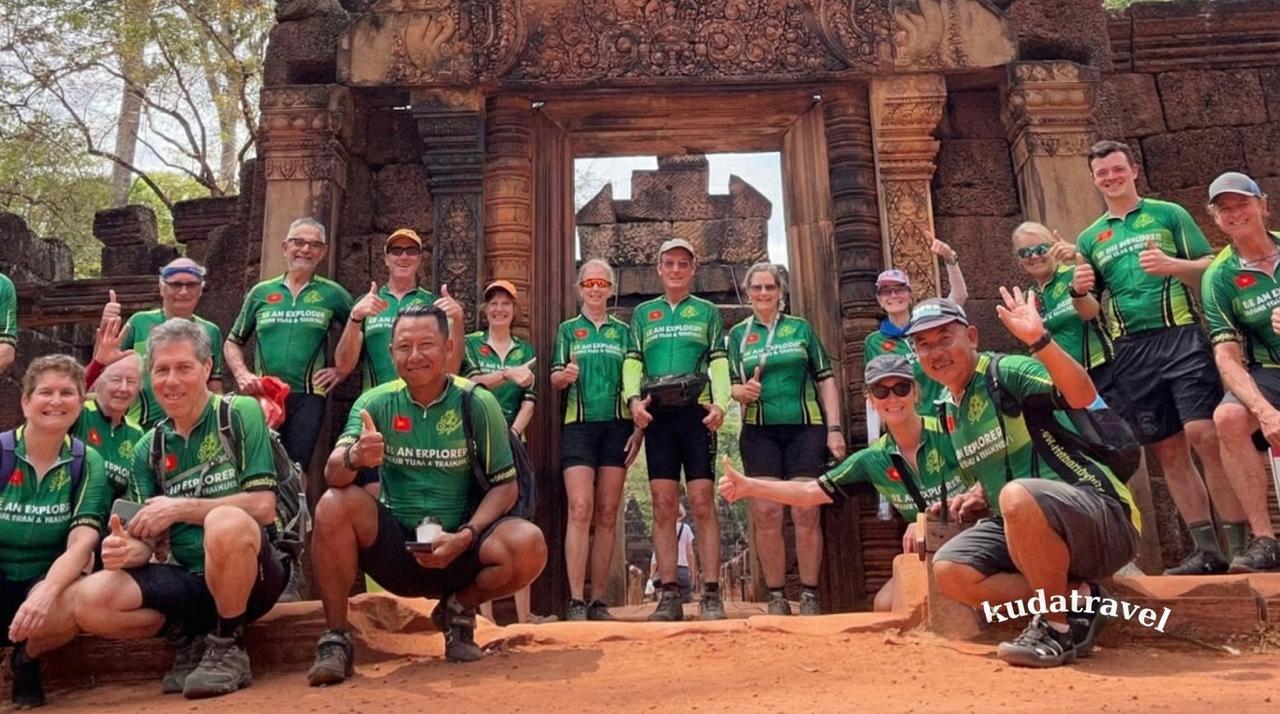
About Us

We are not just tour guides; we create unique experiences !

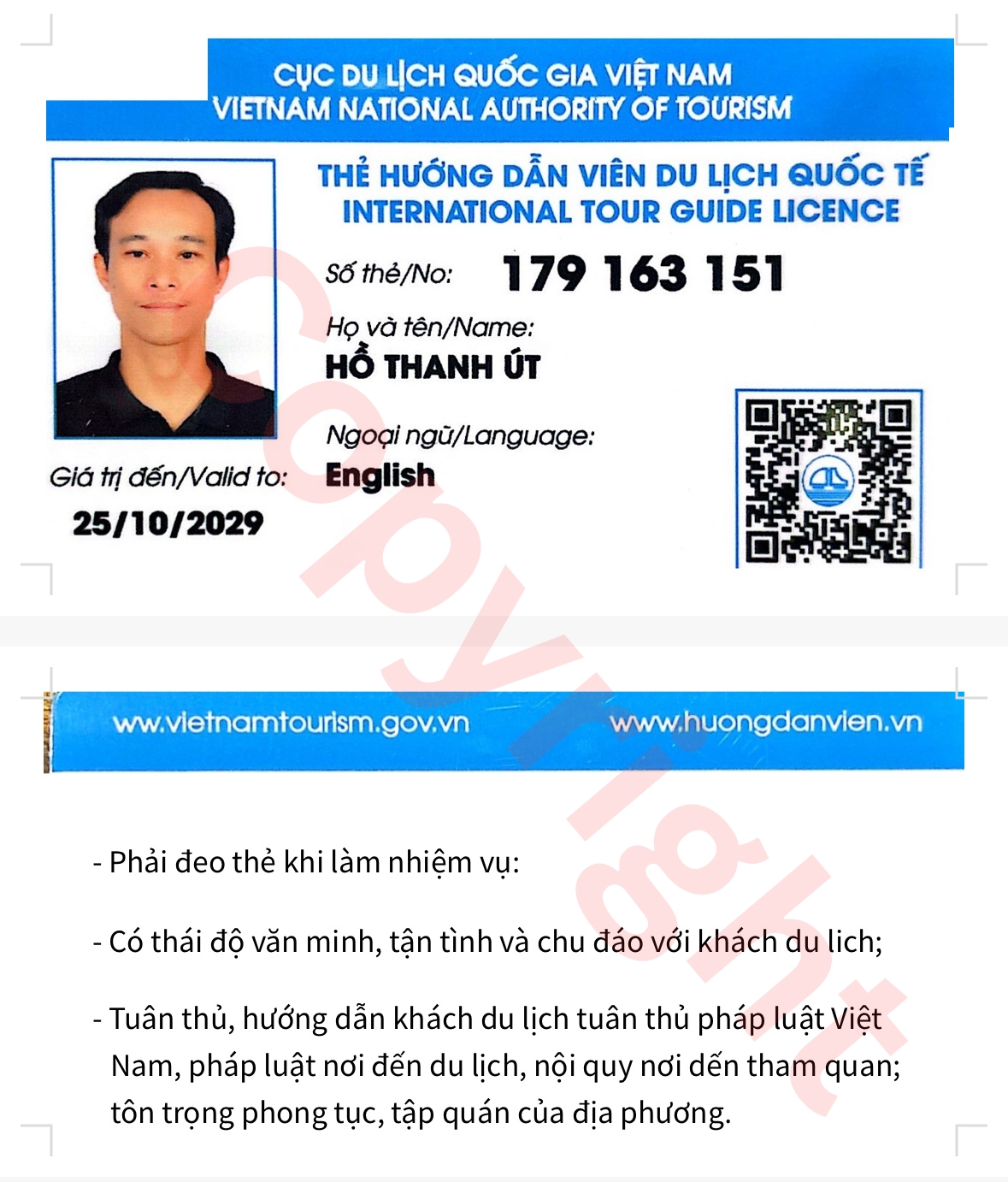
Kuda Travel was founded in 2004 by Master Thanh Ut, a passionate traveler and entrepreneur. With nearly 20 years of experience in the travel industry, he has become a keynote speaker and luxury travel expert in Vietnam and beyond. Recognizing the demand for a tour company focused on high-end travelers, Pham Ha quickly seized the opportunity to establish a travel company that prioritizes ultra-luxurious experiences, private guides, and tailor-made holidays. As a lover of the arts, writing, history, and culture, Pham Ha designs personalized tours that offer an immersive approach to travel.
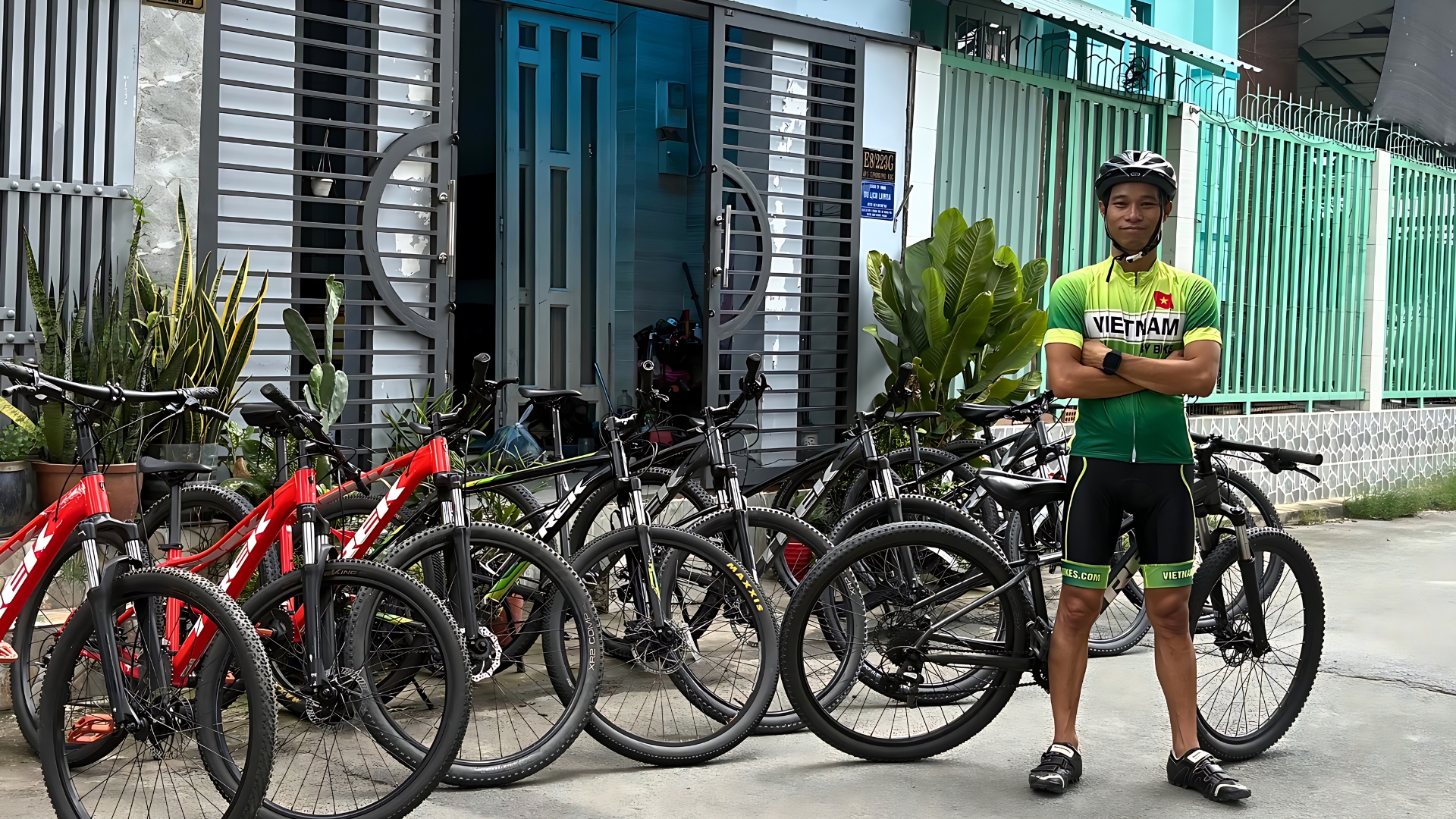
In line with this vision, Thanh Ut developed the Kuda Travel University programs to provide his colleagues with precise training tailored to serving discerning travelers from around the world. A crucial aspect of our business is our travel agents, who are dedicated to understanding the unique needs of each traveler.

At Kuda Travel, our team excels in customer care and service. Our tour guides are multilingual, and everyone—from managers and marketers to travel agents, guides, and chauffeurs—shares a common goal: to touch the hearts of every traveler who chooses Kuda Travel.
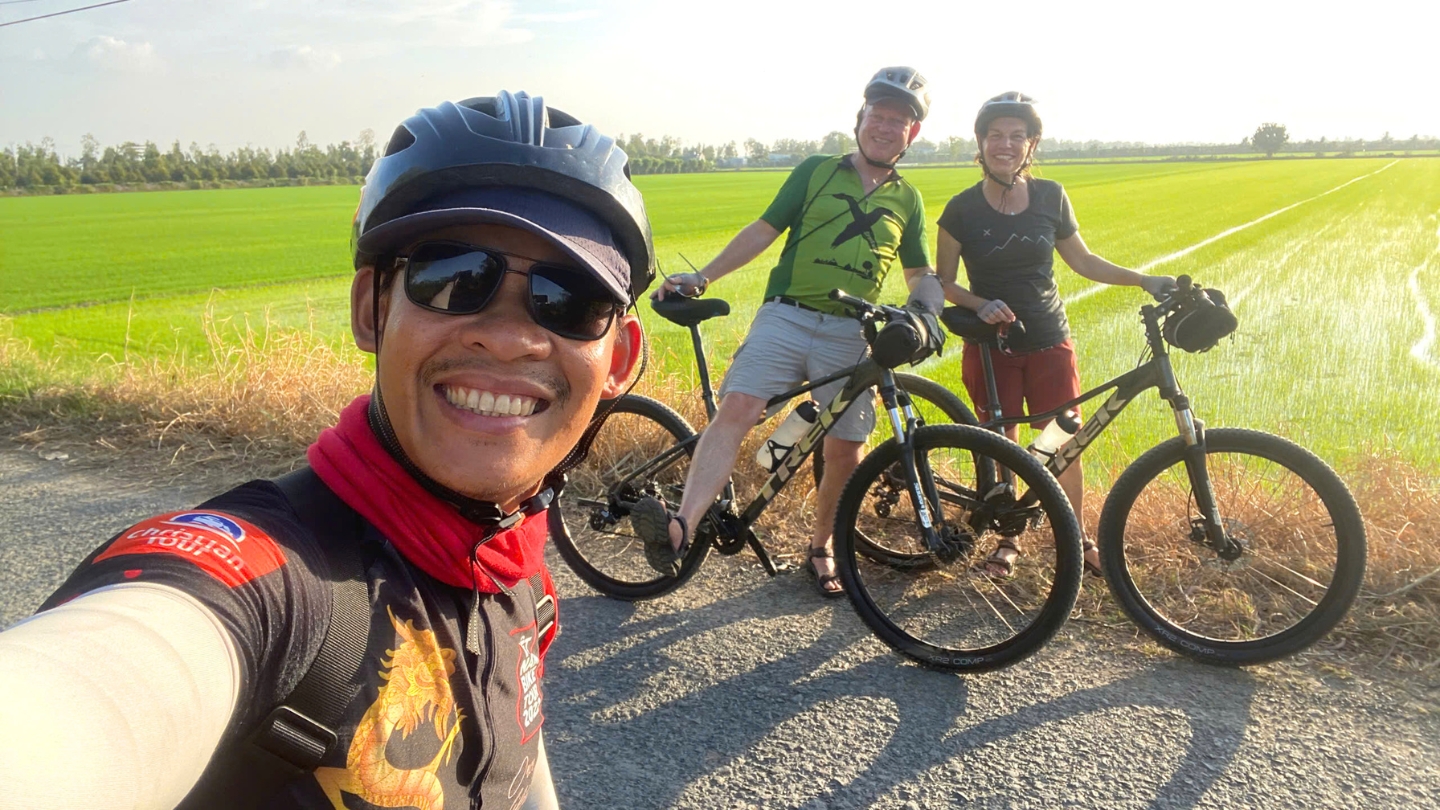

KUDA MEDIA & TRAVEL

  • Tax Code: 089088028903
  • Tax Address: No. 112, Provincial Road 942, My An Hamlet, Long Kien Commune, An Giang Province, Vietnam
  • Address: No. 112, National Road 80B, My An Hamlet, Long Kien Commune, An Giang Province, Vietnam
  • Status: Active
  • Representative: Ho Thanh Ut
  • Phone: (+84) 869 142 415
  • Operation Date: December 4, 2024
  • Managed by: An Giang Province Tax Department – Region 9

Business Type: Individual Business Household (Sole Proprietorship)
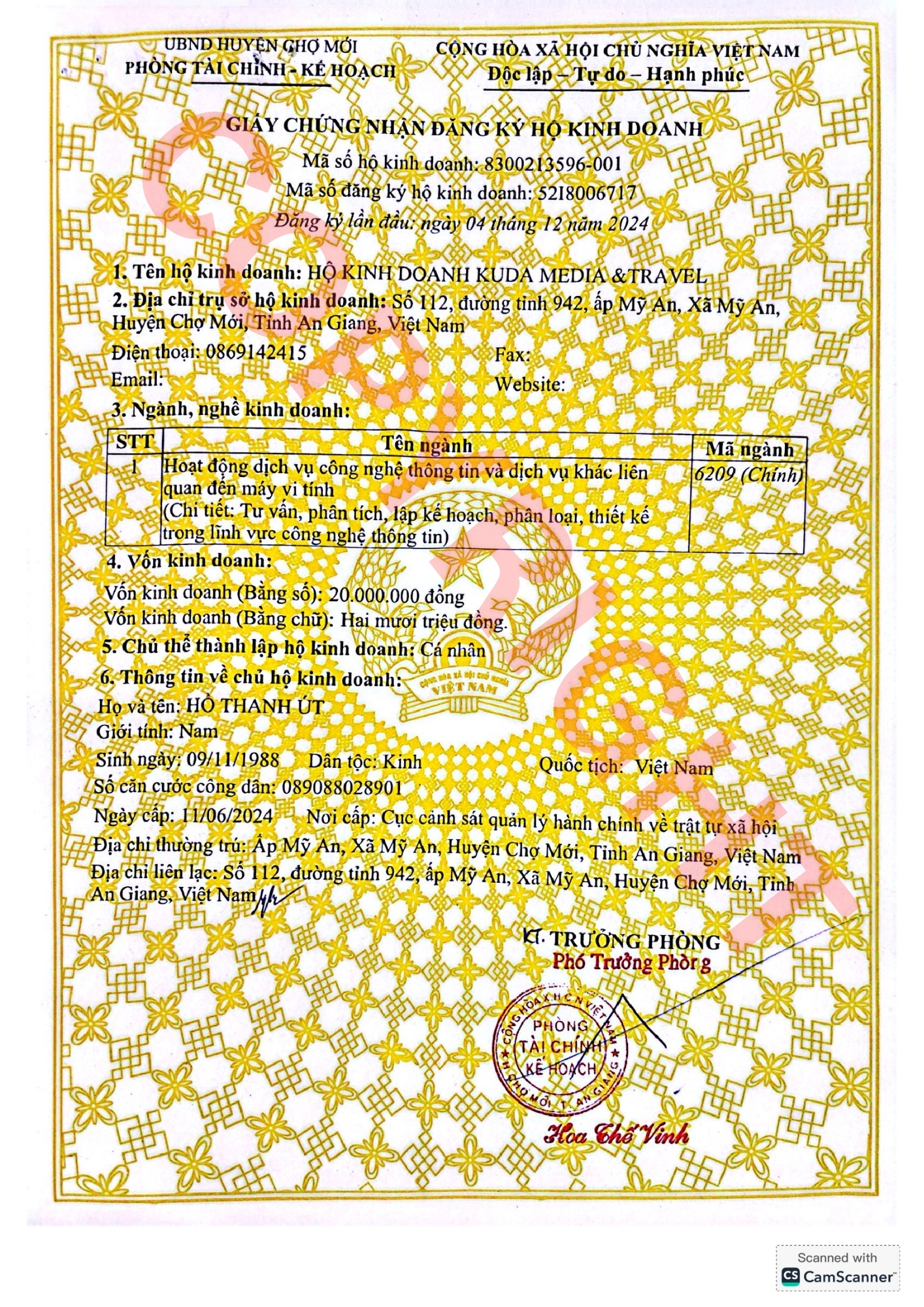

Why to choose us ?

  • 100% Personalized Itineraries

At Kuda Travel, we design customized travel services for leisure, business travelers, and Event. We operate our own fleet of luxury vehicles and provide access to a variety of luxury transportation options. Our team will serve as your personal experience manager, creating an authentic and fully tailor-made holiday.

  • Local Travel Expert Knowledge

With more than 20 years of experience, our knowledgeable staff will help you find the most suitable and delightful itineraries based on your preferences and their extensive knowledge of each region. We deliver the best holiday experiences without any middleman costs.

  • Specialized Unique Experiences

We recognize that each traveler is unique, and we are committed to ensuring that your journey is exceptional. With distinctive activities, off-the-beaten-path destinations, and an immersion in local life, our travel packages prioritize experiential adventures above all.


Strengths and Experiences

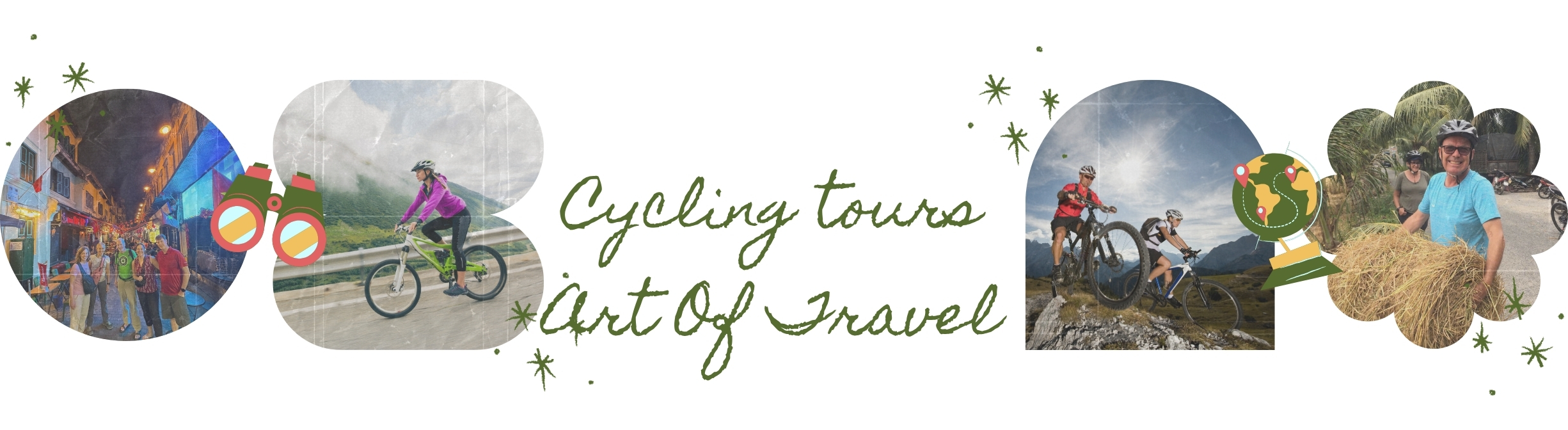
Following the global changes brought about by the COVID-19 pandemic, we embraced a new direction, shifting our primary focus toward the dynamic world of cycling sports. While Kuda Travel may appear to be a fresh face in the market, we bring with us a wealth of accumulated experience in curating premier cycling holidays.

Our team is defined by high-level professionalism and deep logistical expertise. We handle every detail of your journey with care—from designing optimized cycling routes and setting up refreshing break stops to partnering with local restaurants for authentic meals along the way. Furthermore, our itineraries are packed with unique highlight activities designed to immerse you in the culture.

We sincerely hope to earn your trust through our dedication to quality and safety. We invite you to let our experienced local guiding team elevate your adventure, making your trip not just seamless, but truly unforgettable.

Our Responsibilities

Kuda Travel’s operating an adventure cycling tour requires much more meticulous preparation than a standard tour. Here are the 10 core responsibilities of an operator to ensure the safety and best possible experience for travelers:

  1. Route Surveying and Safety Mapping: Selecting paths that match the guests’ skill levels; pre-checking for landslides, steep gradients, and traffic density.
  2. Vehicle Inspection and Maintenance: Ensuring specialized bikes are in perfect condition (brakes, tires, drivetrain) and properly fitted to each guest’s height and build.
  3. Providing Standard Protective Gear: Equipping travelers with certified helmets, gloves, protective pads, and reflective gear.
  4. Pre-trip Technical and Safety Briefing: Clearly communicating downhill techniques, gear shifting, hand signals, and group riding safety rules.
  5. Ensuring Timely Medical Support: Always carrying a specialized first-aid kit and having an emergency medical evacuation plan for accidents in rugged terrain.
  6. Providing a Support Van: Arranging a backup vehicle to transport luggage, provide water and energy-boosting snacks, and assist guests who are exhausted or have mechanical issues.
  7. Weather Risk Management: Closely monitoring forecasts to decide on pauses or itinerary changes to avoid hazards like flash floods or slippery trails.
  8. Professional Guiding Team: Ensuring guides are not only skilled cyclists but also familiar with the terrain, certified in first aid, and capable of basic on-road bike repairs.
  9. Providing Proper Nutrition: Planning high-calorie meals and ensuring adequate hydration and electrolytes throughout the journey to maintain guest stamina.
  10. Environmental and Local Culture Protection: Instructing guests to follow “Leave No Trace” principles and to respect the lifestyles and customs of people in remote areas.

Dos & Don’ts

To maintain your reputation in the adventure tourism industry, you must build an image as a dedicated, professional, and trustworthy organizer. The difference between a mediocre tour and a premium one lies in how you care for the smallest details. Below is a clear breakdown of what you must do well and what you must absolutely avoid to protect your credibility:

1. Dos 

Transparency and Honesty: Provide accurate information regarding route difficulty, accommodation conditions, and any potential costs. Do not “sugarcoat” reality, as this leads to guest disappointment during the experience.

Personalized Experience: Listen to each guest’s health status, dietary preferences (allergies, vegetarianism), and cycling skills to adjust the group’s pace accordingly.

Proactive Customer Care: Always stay one step ahead. For example, have cold towels and electrolytes ready the moment guests stop to rest; perform “silent” bike checks every evening to ensure guests can simply hop on and ride the next morning.

Rapid Incident Response: When issues arise (bad weather, mechanical failure), the operator must remain calm and decisive, providing the best alternative solution so that guests always feel protected.

Create Emotional Connections: It’s not just about cycling; share local cultural and historical stories. Be an inspiring companion rather than just a tour guide.

2. Don’ts 

No Short-changing: Never cut corners on meal standards, bike quality, or sightseeing time promised in the contract just to increase profit.

Never Leave Anyone Behind: In adventure cycling, the gap between the lead rider and the slowest one can be vast. Never allow a guest to ride alone without a “sweeper” guide or a support vehicle monitoring them.

No Indifference to Safety: Do not break safety protocols just to please a guest (e.g., taking dangerous shortcuts or posing for risky photos). Compromising on safety is the fastest way to ruin your reputation.

No Negative Attitude: Regardless of exhaustion or difficult customers, staff must never argue, snap, or show a grumpy attitude in front of guests.

No Invasion of Privacy: Respect the guests’ private space once they reach the rest stop. Avoid disturbing them or using their images for advertising without explicit consent.

Products

Kuda Travel is running a high-end cycling tour is a bit like conducting an orchestra—if the orchestra were moving at 15 miles per hour and occasionally needed a tire change. To make this product “great,” the logistics need to feel invisible to the guest but be ironclad behind the scenes: 

🚐 The Support Vehicle: The “Rolling Oasis”

  • The support vehicle is the backbone of the tour. It should never be too far ahead or too far behind.
  • Luggage Logistics: Bags are loaded every morning before the group departs and are delivered to the next hotel’s lobby (or rooms) before the cyclists arrive.
  • The “Sag Wagon” Role: The vehicle acts as a safety net for tired riders. It should meet the group at designated “leapfrog” points (every 15–20km) with water refills, electrolyte snacks, and mechanical support.
  • Technical Readiness: The van must be equipped with a professional bike rack, a high-quality floor pump, a full toolkit, and common spare parts (tubes, tires, chains, and derailleur hangers).
  • Passenger Capacity: Ensure there is enough seating for at least 25% of the group to ride in the van simultaneously in case of sudden weather shifts or “I’ve-had-enough-hills” moments.

🚴 Professional Cycling Guide: The “Road Captain”

  • Your guide is more than a GPS; they are the energy manager and the storyteller.
  • Pace Setting: The lead guide maintains a steady, inclusive pace, while a “sweep” guide (if applicable) stays with the slowest rider.
  • Safety Briefing: Every morning starts with a 5-minute “chalk talk”—covering the day’s elevation, turn-by-turn highlights, and specific road hazards.
  • Mechanical First Aid: Guides should be able to fix a flat or adjust a derailleur in under five minutes to keep the group’s momentum alive.
  • Local Color: They should provide context on the landmarks you pass, turning a physical workout into a cultural immersion.

🏨 Accommodations: Seamless Transitions

  • After a long day in the saddle, the “check-in” should be the easiest thing the guest does all day.
  • The “Pre-Check”: The support driver should arrive 30 minutes before the cyclists to ensure room keys are ready and luggage is positioned.
  • Bike Security: Operatively, you must ensure every hotel has a secure, ground-floor storage area for the fleet. High-end carbon bikes shouldn’t be left on a rack overnight.
  • Recovery Amenities: Prioritize properties with laundry services (for cycling kits) and, ideally, a spa or pool to soothe sore quads.

🥗 Meals: Fueling the Engine

  • In cycling tours, food is fuel, but it’s also the primary social event.
  • Breakfast: Must be served early (typically 7:00 or 7:30 AM) and focus on slow-release carbohydrates, fresh fruit, and—most importantly—high-quality coffee.
  • Lunch: This should be a “light but caloric” affair. Avoid heavy, cream-based dishes that make riders lethargic. Opt for local cafes or catered picnics in scenic spots.
  • Dietary Management: The guide or driver must keep a “cheat sheet” of guest allergies and preferences, confirming these with the kitchen at least 24 hours in advance.

🚢 Transport & Activities: The Logistics Pivot

  • Boats, ferries, and entrance fees are where tours can often get “clunky.” Precision is key here.
  • The Seamless Ferry: The support driver should handle all ticketing in advance. When the cyclists roll up to a ferry or boat, they should be able to walk (or ride) straight on without reaching for their wallets.
  • Bike Loading: If a boat trip is involved, have a specific plan for bike protection. Saltwater spray and carbon fiber don’t mix well—use protective covers or internal cabin storage.
  • Entrance Fees: Guides should carry a “float” or company card to handle all group entries instantly. The goal is for the guest to feel like a VIP who never has to wait in a queue.

Trusts
Hidden content
Visions
Hidden content
Missions
Hidden content
Inspirations
Hidden content

MEET OUR TEAM


Note: Currently, we are experiencing some technical difficulties with Google’s verification process for our location. Please be assured that we are working to resolve this as quickly as possible. Verifying our location is a priority for us, as it reflects our commitment to transparency and credibility. Thank you for your patience and continued support!